Following the footsteps of the Gros chêne
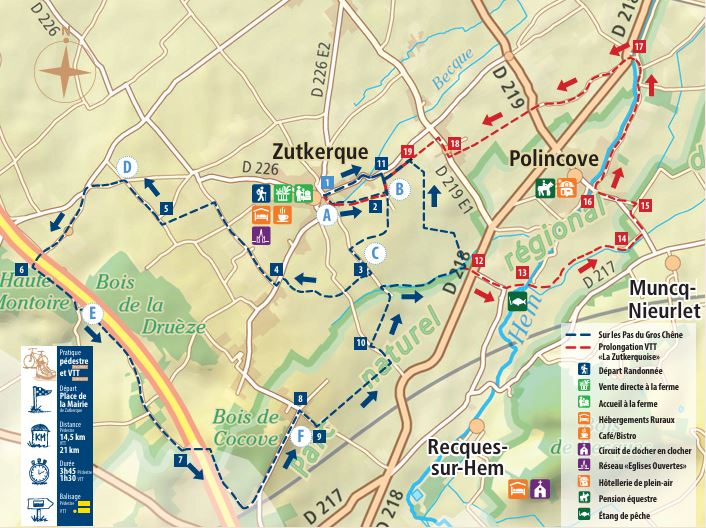
Starting from the Town Hall Square, from church to chapel and from castle to woodland clearing, follow the trail that will lead you to the “Gros chêne”, the village’s emblematic tree. Pay close attention, for with its great age, it may have a few secrets to share with you.

Practical information
Walking & Mountain bike

Start
Place de la mairie – Zutkerque

Distance
Walking : 14,5km
Mountain bike : 21km

duration
Walking : 3h45
Mountain bike : 1h30
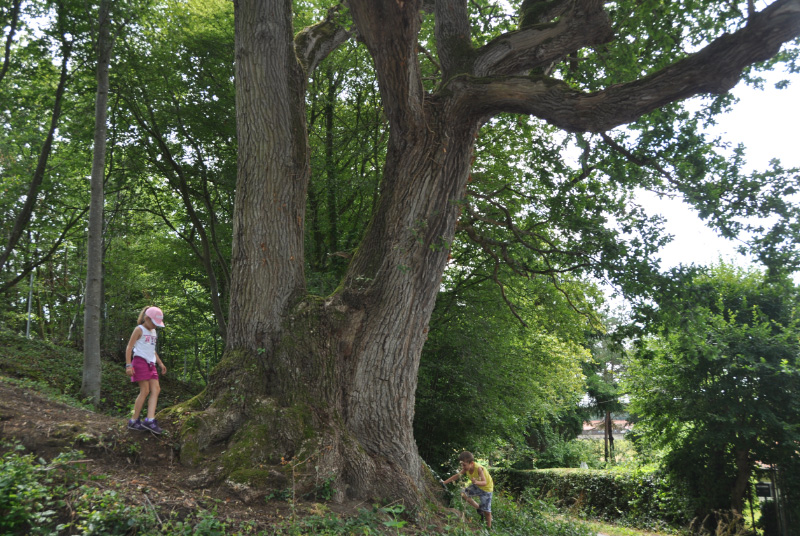
The Gros Chêne
This majestic tree truly lives up to its name, with a trunk measuring 5.40 metres in circumference and standing 15 metres tall. It has been rooted on rue du chemin de Calais for more than 200 years, and yet its survival was far from guaranteed. During the Second World War, despite being close to a V1 launch base, it escaped Allied bombing. In the 1970s, thanks to the mobilisation of an entire village, the route of the Autoroute des Anglais (A26) was diverted. In 2019, after proudly representing the Région des Hauts-de-France in the national “Tree of the Year” competition, it was awarded Remarkable Tree status for its size, age and strong symbolic value.
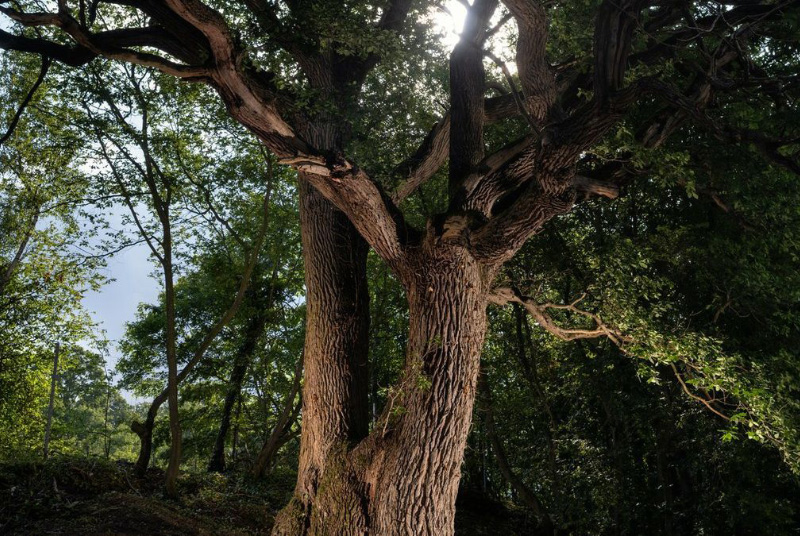
A must-see during your walk!

Saint-Martin church
Built of sandstone brick and limestone rubble, this neo-Gothic church, a member of the “Églises Ouvertes” network, impresses with its massive 16th-century bell tower. Step through the porch inspired by classical antiquity and discover a remarkable varnished carved wooden pulpit, as well as an outstanding high relief of Saint Martin set into the altar.
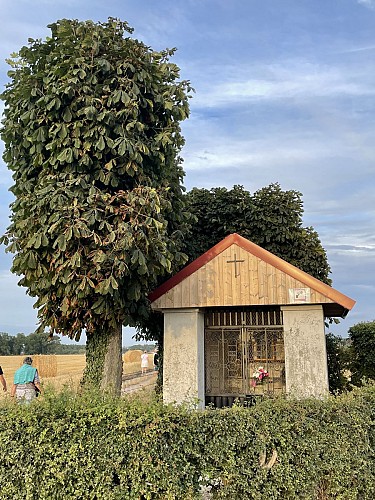
Chapel Leclerc
This roadside chapel was built in 1925 at the initiative of a resident of Zutkerque, grateful to have seen all her sons return safely from the First World War.

Baroness of Draeck’s Castle
This 18th-century castle was the residence of a noblewoman passionate about hunting, who permanently rid the region of wolves and earned the nickname “La Dame aux Loups”. While respecting the site, you may pass through the gateway to admire this private property. The castle’s front door is topped by a remarkable sundial.
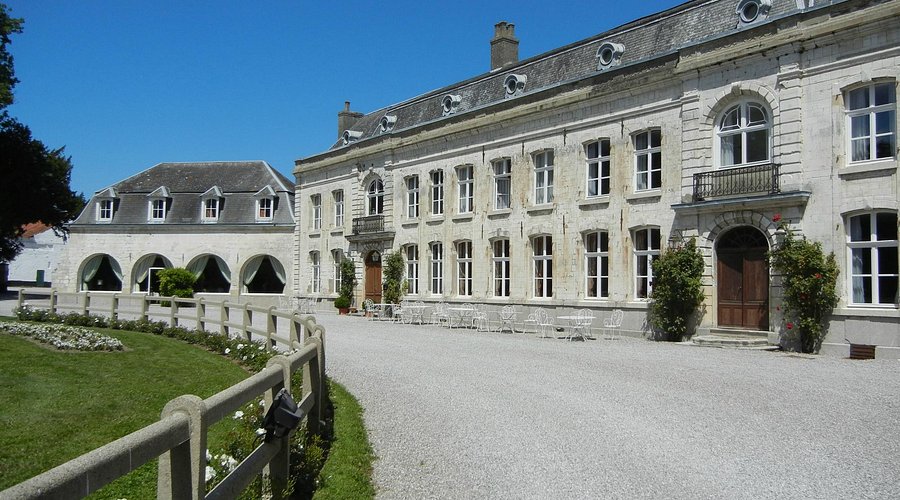
Castel of Cocove
This magnificent 18th-century residence was completed in 1741 by Becquet de Cocove. A fine example of 18th-century neoclassical style, set amid greenery and overlooking an 11-hectare park, the vast building changed owners in the 19th century and was eventually acquired by the Coetlogon family. During the episode known as the Camp de Boulogne, Marshal Ney hosted lavish receptions at Château de Cocove. At the turn of the 20th century, a distillery was established on the estate. Spared during both the First and Second World Wars, the château, where the writer Paul Nizan died in May 1940, was sold in the 1980s and, after restoration, became a four-star hotel and restaurant.