Trail of Pays de Langle
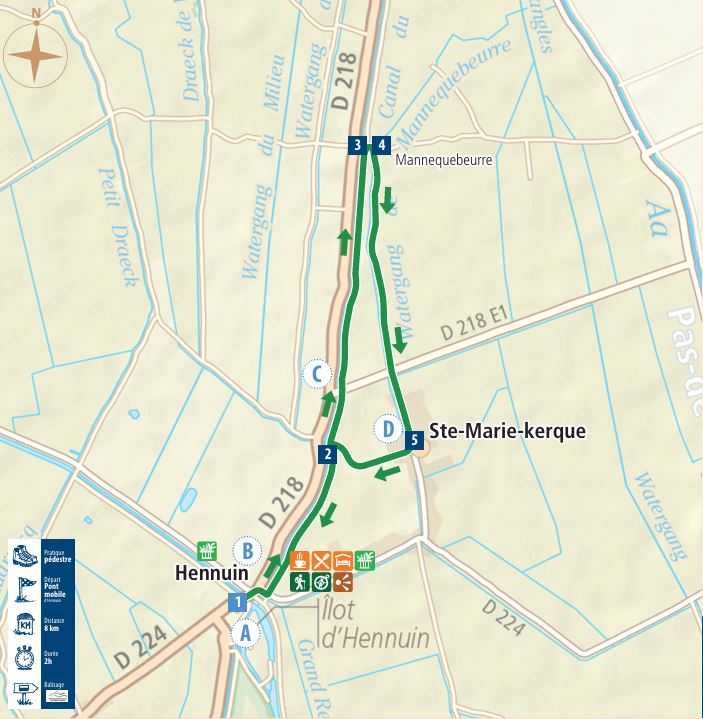
From the Hennuin swing bridge, where the Hem River meets the Calais–Saint-Omer Canal, a true crossroads for boatmen, this trail leads you through the Pays de Langle, which takes its name from the shape formed by the Aa estuary in the Middle Ages. Here, perhaps more than anywhere else, the hydraulic network shapes the landscape and reminds you that you are in a maritime plain, in a land of canals and waterways.

Practical information
Walking

Start
Hennuin Swing Bridge

Distance
8km

Duration
2h
What does Mannequebeurre mean?
The name Mannequebeurre means ‘the monk’s last resting place’. This name recalls the fact that the earliest attempts to drain the Aa Delta, as early as the 6th century, developed under the influence of monastic institutions. Coming from the abbeys and monasteries of Thérouanne and Saint-Omer to evangelise the region, these Benedictine missionaries arrived with a solid knowledge of farming techniques and the reclamation of marshland.
The origin of Mannequebeurre, a hamlet of Saint-Folquin and a central point of the Pays de Langle where the bailiff of the châtellenie of Langle once held court, is more tragic. In 861, during one of their invasions, the Normans are said to have massacred Reginald, a monk from Saint-Bertin, to punish him for his refusal to hand over the abbey’s treasure.
Must-see spots along the way!
Hennuin Interpretation Trail
The Îlot d’Hennuin is a remarkable site at the confluence of the Hem River and the Calais–Saint-Omer Canal. It offers sweeping views over the marshes and the watergangs. An interpretation trail helps visitors understand the importance of water management in this low-lying landscape.
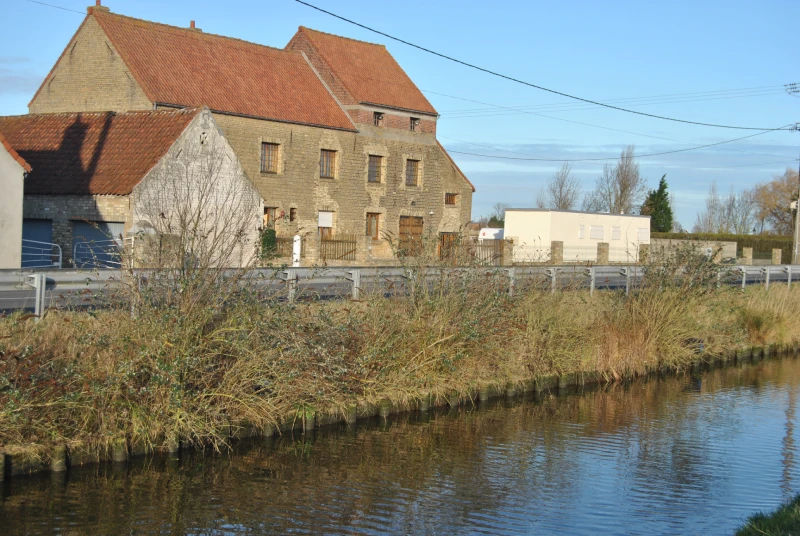
The Mardick Canal
The origins of this waterway date back to the 12th century. The Abbey of Saint-Bertin held fishing rights there. For a long time, the canal was frequented by boatmen who transported people and agricultural produce to the market in Saint-Omer. This causeway crossing the marshy plain also served as a royal route between Saint-Omer and Gravelines.
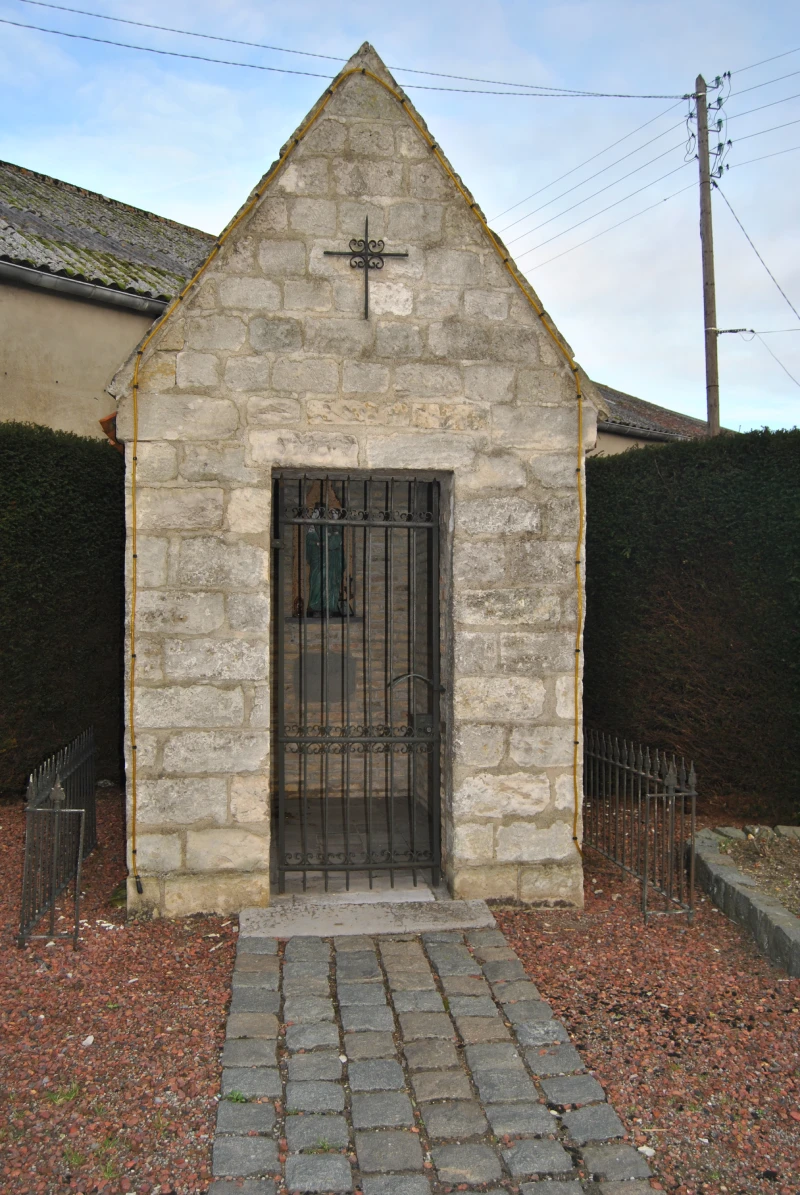
Boatmen’s Chapel
The origins of this chapel date back to the 18th century. Each time they crossed the Hennuin Bridge, most boatmen would stop to venerate and seek the protection of Our Lady of Good Help, hence its name, the ‘Boatmen’s Chapel’.
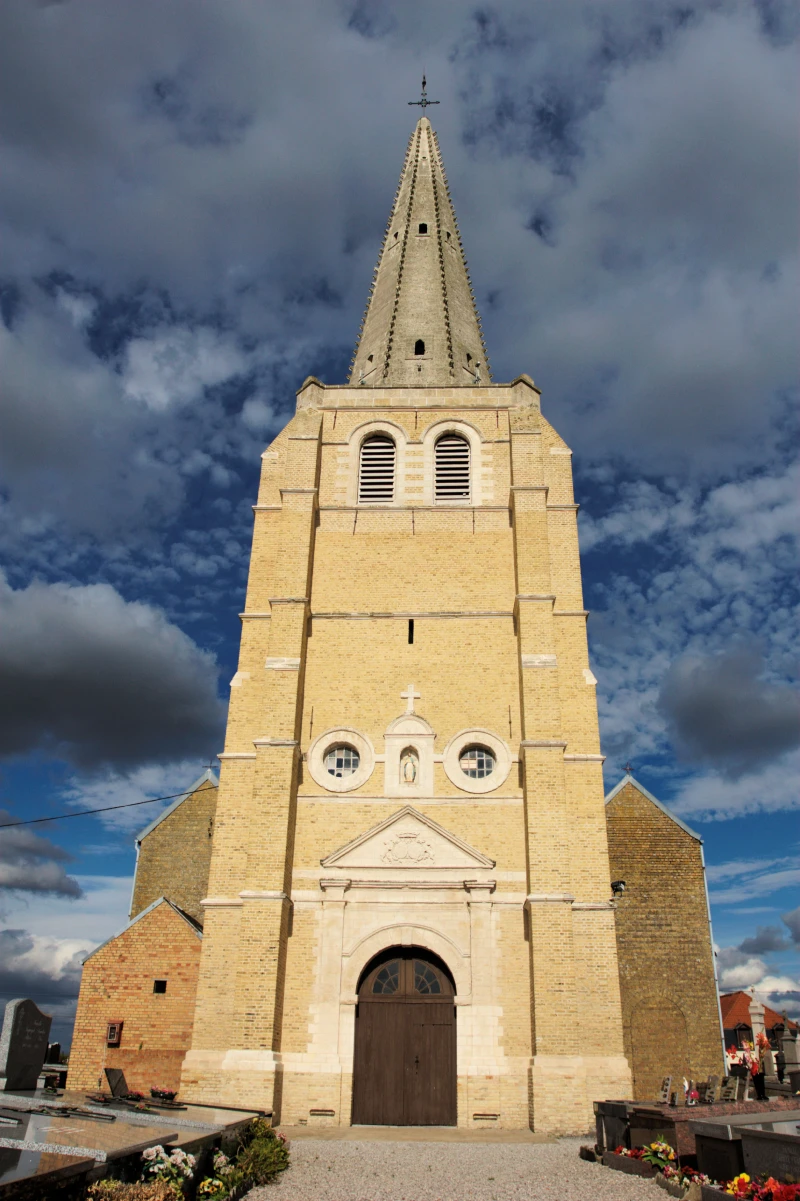
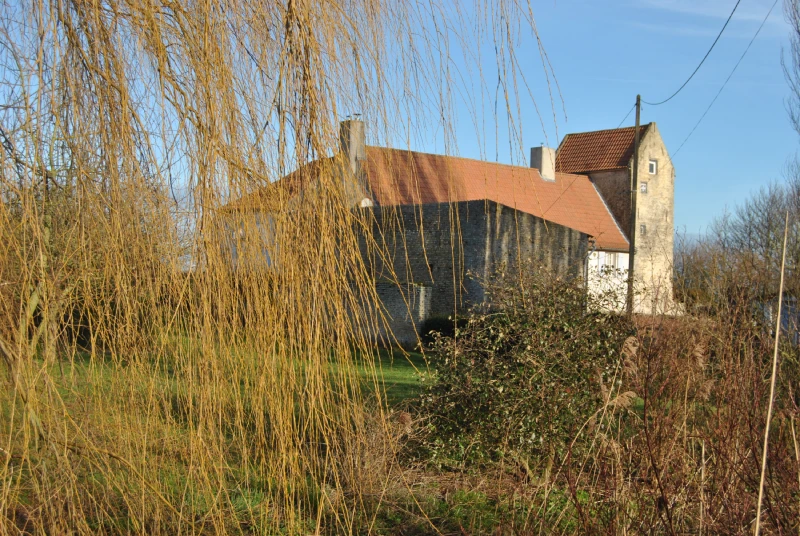
Eglise Notre-Dame de la Visitation
The Church of Our Lady of the Visitation in Sainte-Marie-Kerque belongs to the very select group of crenellated bell towers. The nave dates from the 16th century, while the bell tower was built in the 18th century.