
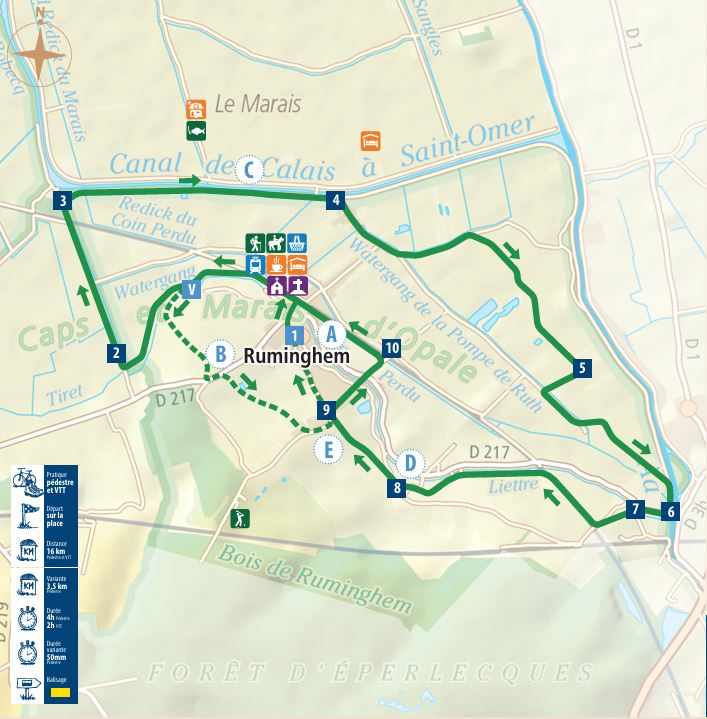
The Fantôme de l’Aa trail

practical information
Walking and Mountain bike

Start
On the square

Distance
16km
(Walking variant 3,5km)

duration
4h (Walking)
2h (Mountain bike)
Variant duration
50min (Walking)
Who is the fantôme de l’Aa ?
According to legend, the daughter of the Baron of Ruminghem, beautiful and vain, rejected all the advances of her suitors until the day she met a knight from Germany who was none other than the Prince of Darkness. He led her from festivities to debauchery, before marrying her and throwing her from the top of the castle tower. It is said that she still appears today in the misty marshes bordering the Aa River…
A must-see during your walk
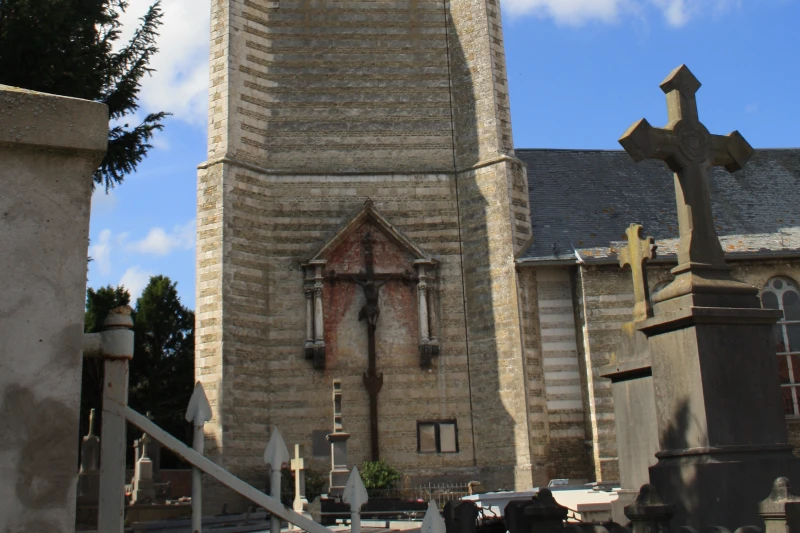
St Martin Church
Ruminghem is one of the oldest villages in the Audruicq area. It is mentioned as land belonging to the Abbey of St Bertin as early as 858. A fortified castle is said to have been built there in the 4th century, with a church erected nearby. The present church dates from 1806, while its crenellated bell tower is older, dating back to 1791.
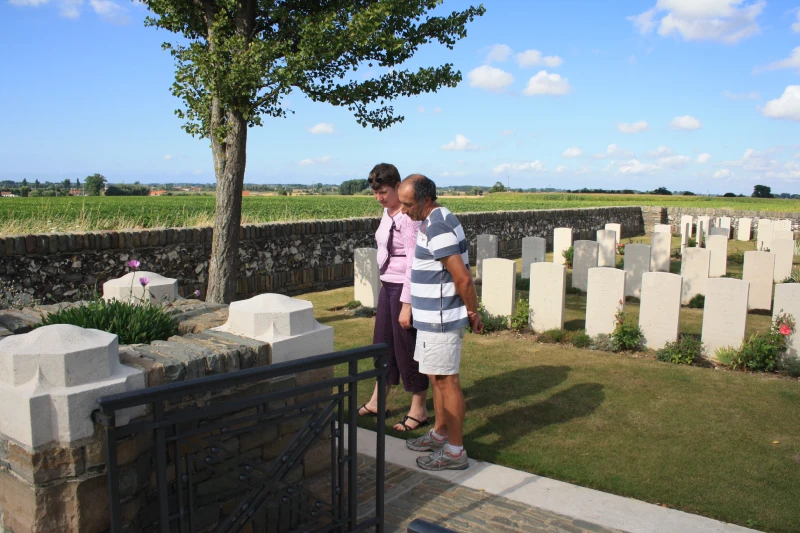
Ruminghem Chinese Cemetery
It is a cemetery built by the Commonwealth War Graves Commission in tribute to the Chinese workers present in the town during the First World War. Under British Army command, they were responsible for guarding a munitions camp. Many fell victim to German bombardments. Seventy-five graves are located here. At the entrance to the cemetery, admire two Ginkgo biloba, “trees of a thousand coins” native to Asia.
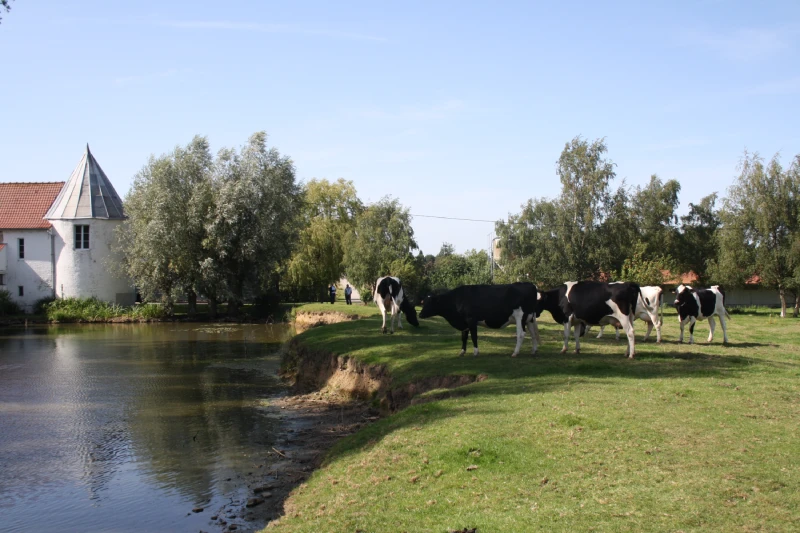
Canal Calais - St-Omer
In the 17th century, when Artois was united with the French Crown, this 30-kilometre-long waterway was established to link the Aa to Calais.
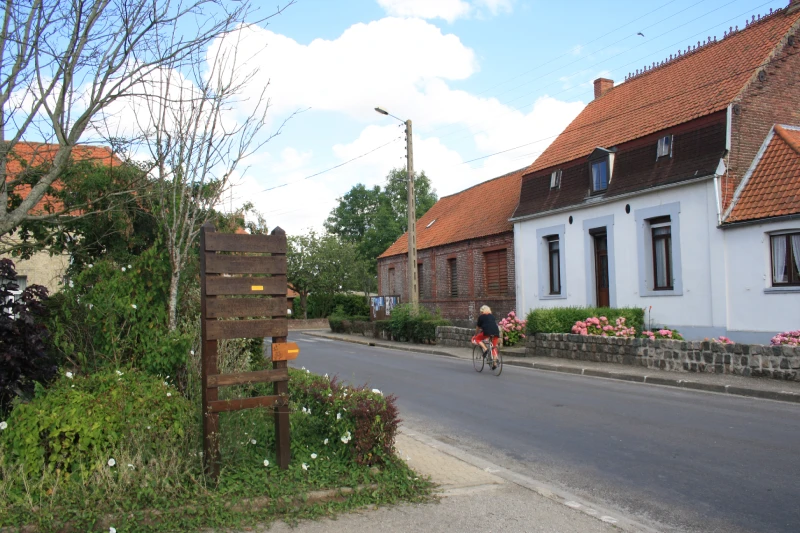
Villa Rustica
Now converted into an equestrian centre, the Villa Rustica, with its square tower, housed serfs, livestock and harvests during the Middle Ages, under the control of a religious community.
Fortified farm
Initially a fortress and later a fortified castle, it still features a cylindrical tower, moats and a glacis.