
The vieille église
Saint-Omer Church
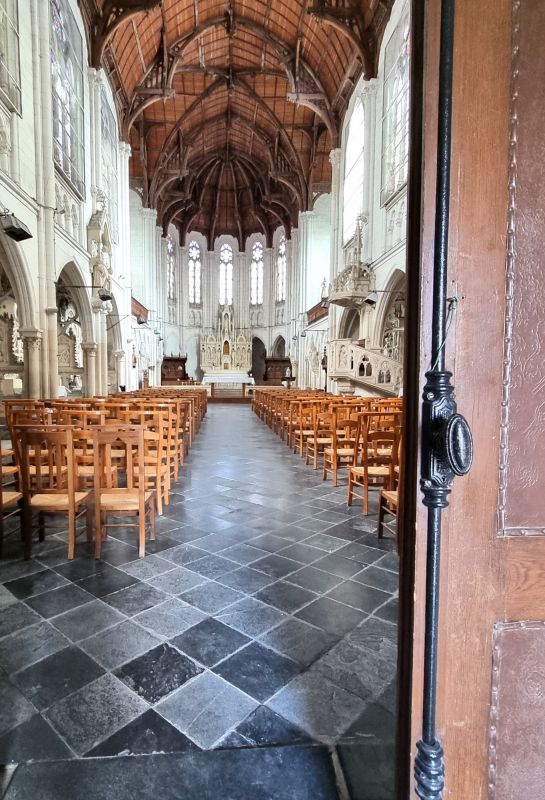
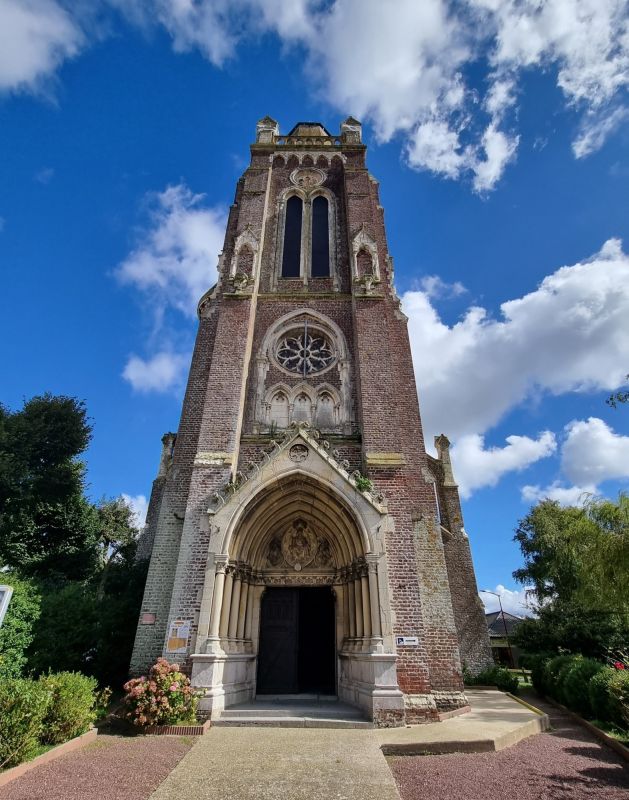
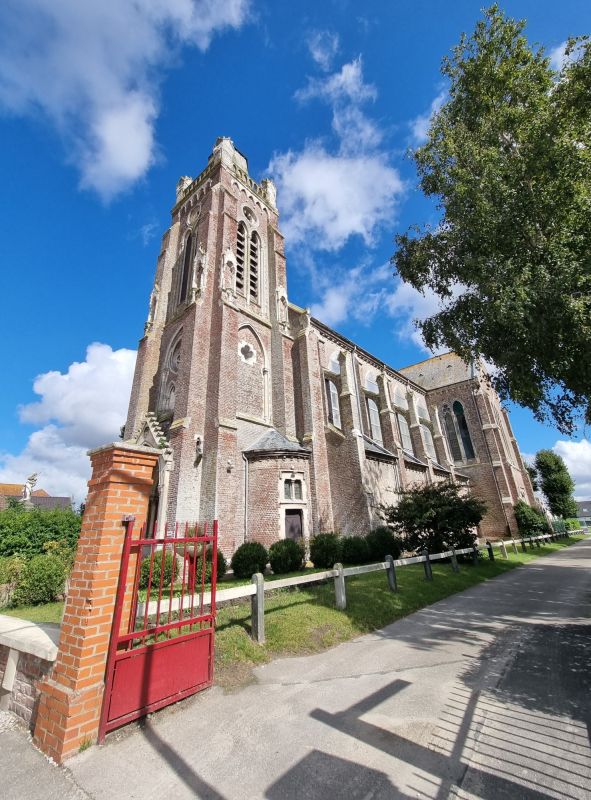
Construction of Saint-Omer Church began in 1882. It was opened for worship on 27 October 1889 and bequeathed to the municipality by Miss Flore Degrez, under a will dated 28 December 1882
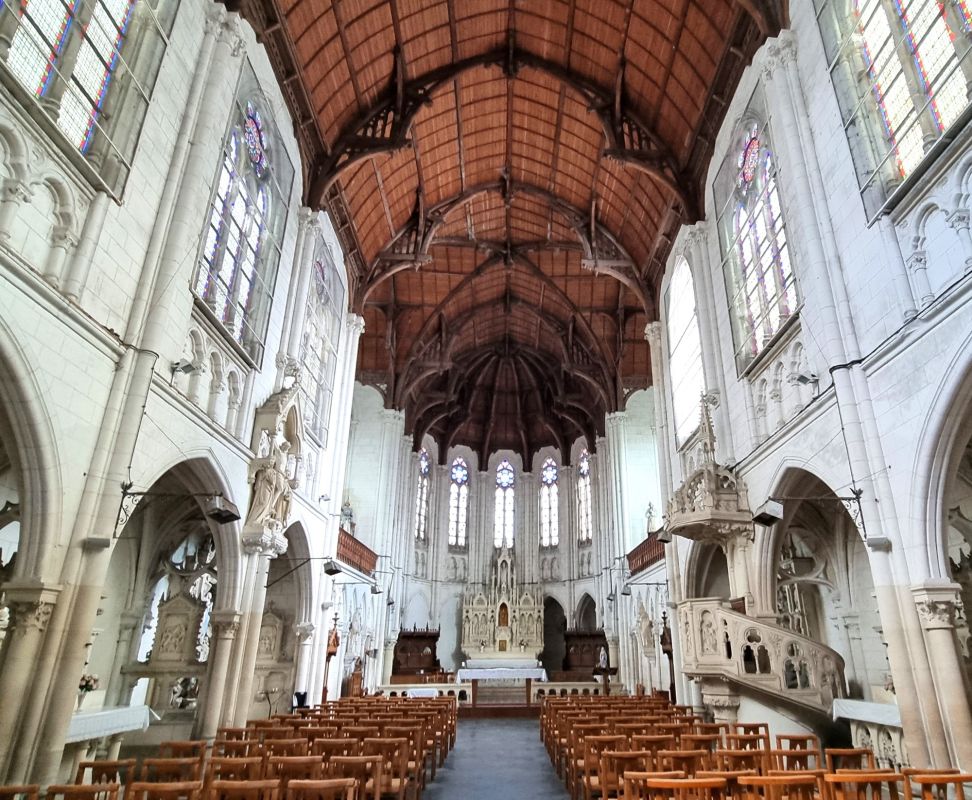
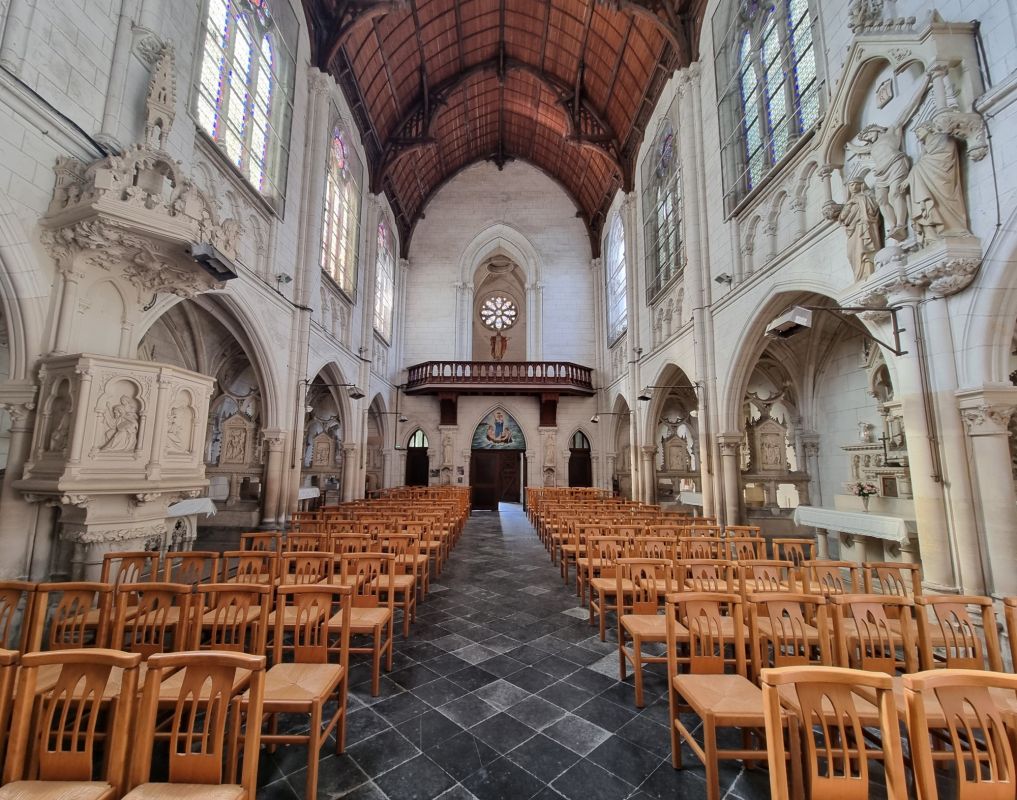
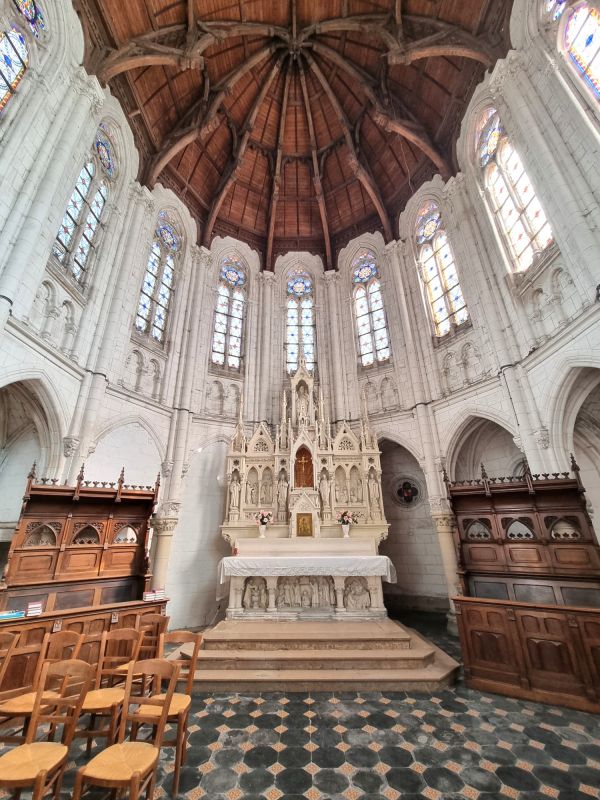
With the cross-shaped layout of the vault, there are two fairly large sacristies as well as two spacious galleries. They are accessed via stone staircases. The doors opening to the outside are made of oak. A third gallery is located above the main portal and is also reached by a stone staircase, which then leads up to the bells.
All of the furnishings are made of white stone.
Notable features
The High Altar
It is built of finely dressed stone. It includes a tomb, a double step, and a reredos composed of two bas-reliefs depicting two scenes from the life of Saint Omer. At the top of the altar stands a statue of the saint, along with a tabernacle fitted with a bronze door.
The way of the Cross
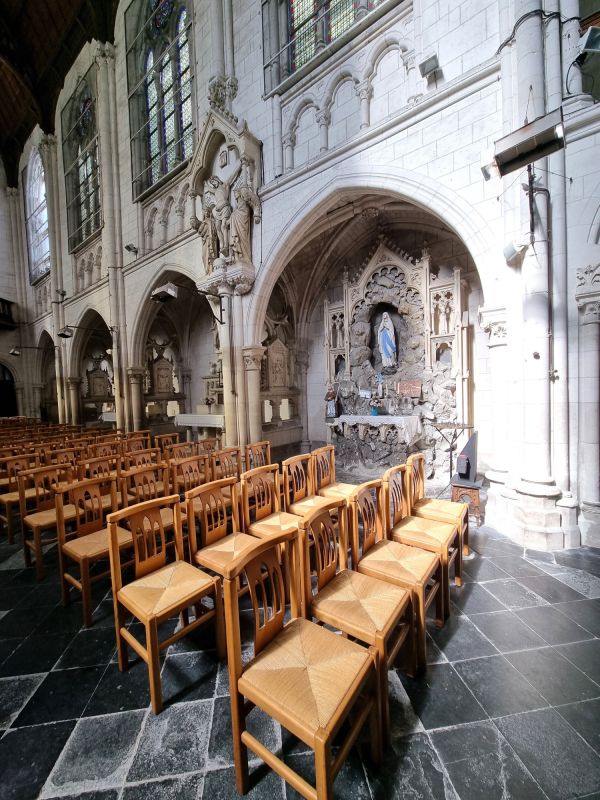
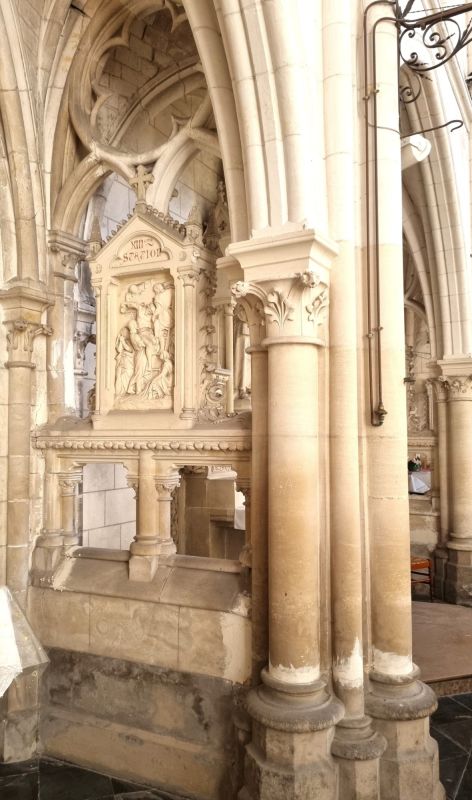
It is made of natural white terracotta, framed in stone like the altars. It is set into the cross walls separating the smaller aisles, with two stations placed against each wall. The religious ceremony blessing the Stations of the Cross took place on 29 June 1890.
The weather vane from the former church stands at the top of the bell tower of Saint-Omer-Capelle Church.
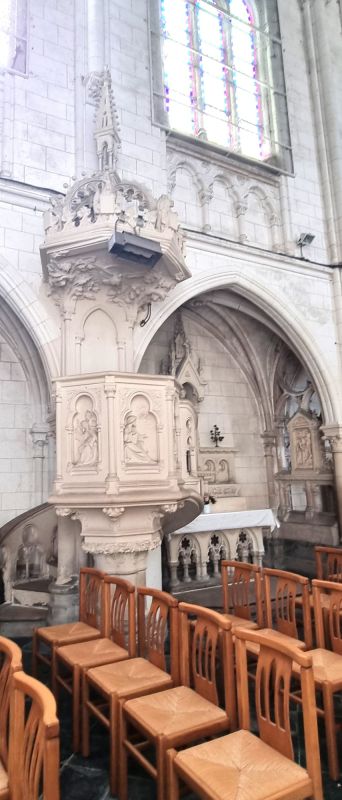
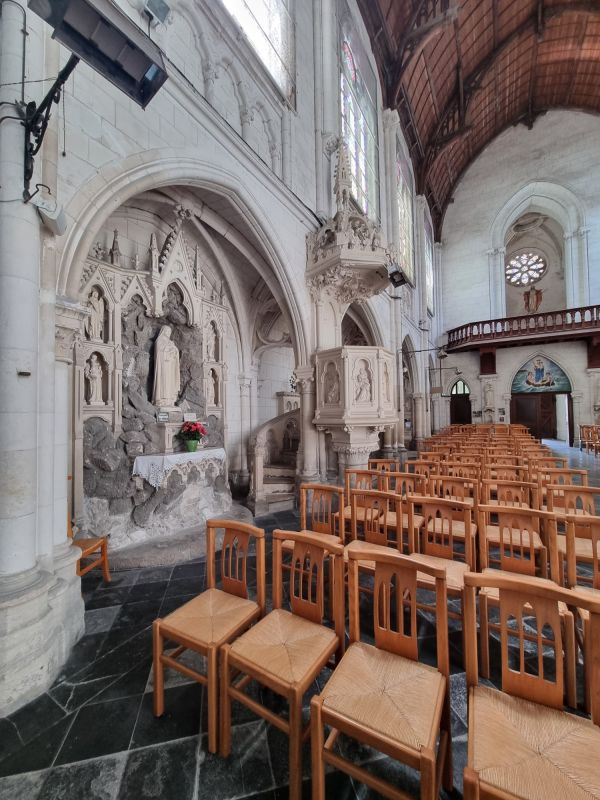
The pulpit
It is made of finely dressed stone, like the altars. The steps are arranged so as to form a single unit with the penultimate pillar. The stone back panel is fitted with wood. It also features a stone sounding board with a central ornament and a small bell-shaped finial. The side altars are placed beneath the lateral arcades. They are built of finely dressed stone and each includes a step, a tomb, two gradines, a tabernacle, and a reredos with a central niche and a statue.
A deed of donation by Countess Ide of Boulogne mentions the village in February 1140. At that time, the church was attached to the Abbey of Notre-Dame de la Capelle. It was destroyed on several occasions. The church rebuilt in 1715 had two naves and stood on the site of the present-day cemetery. The tower collapsed on 1 January 1793 and was restored in 1816. This former church was sold for demolition in 1890, at the same time as the new church was being built.
A few landmarks
- Architect: Mr Normand (Hesdin)
- Contractor: Mr Lemaire (Saint-Omer)
- Sculptor: Mr Sturne (Saint-Omer)
- External length: 42 metres
- External width: 19.20 metres
- Height (including bell tower): 42 metres
- Saint Omer (also known as Audomar) lived from around 600 to 670. He was appointed Bishop of Thérouanne by King Dagobert I and founded the Abbey of Saint-Bertin. Audomar’s mission was to reside within his diocese, celebrate the major pastoral feasts and preach to the local populations.
- Saint Omer is invoked for disorders of vision. According to oral tradition, he is said to have lost his sight towards the end of his life.
Opening hours
Currently closed for renovation work.